

account suspended triggers Key Takeaways
Discover the most common reasons why accounts get frozen or banned, from incomplete KYC verification to duplicate profiles, AML red flags, and chargebacks.
- Incomplete or suspicious KYC documentation is the leading cause of account suspended triggers for financial and crypto platforms.
- Creating duplicate accounts violates terms of service and often leads to permanent bans across multiple services.
- AML compliance suspension can occur from unusual transaction patterns — even for legitimate account holders.
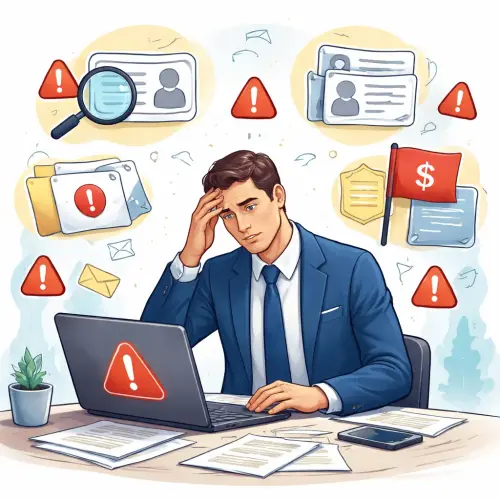
Why Understanding Account Suspension Triggers Matters
Few experiences are more frustrating than logging in to find your account locked with no clear explanation. Whether you use a trading platform, an e-commerce marketplace, or a cryptocurrency exchange, account suspensions disrupt your workflow and can freeze your funds. The good news? Most account suspended triggers are predictable — and preventable. By familiarizing yourself with the policies that platforms enforce, you can take proactive steps to keep your account in good standing. For a related guide, see Close Gbet Account Temporarily or Permanently – 3 Safe Steps.
Understanding the 4 Primary Account Suspended Triggers
Platforms typically suspend accounts for one of four core reasons. Each trigger relates to a compliance or security requirement that the platform must follow by law or by internal policy. Below we break down each trigger, why it happens, and how to avoid it.
1. Incomplete or Suspicious KYC Documentation
KYC (Know Your Customer) regulations require platforms to verify your identity before you can fully use their services. A KYC account freeze occurs when the documents you submit don’t match, are blurry, or trigger a manual review. Even a small typo — a misspelled name or an incorrect date of birth — can stop the verification process cold.
How to avoid a KYC account freeze: Always upload high-resolution scans or photos of your government-issued ID. Ensure your full legal name matches exactly across all documents. If you recently changed your name (e.g., marriage), submit supporting evidence like a marriage certificate. Double-check that your submitted address matches a recent utility bill or bank statement.
2. Duplicate Account Detection
Many users create multiple accounts thinking they can bypass limits or earn multiple sign-up bonuses. Platforms use device fingerprinting, IP address tracking, and behavioral analysis to detect duplicate account ban scenarios. Once flagged, all linked accounts are usually suspended permanently.
How to avoid a duplicate account ban: Read the terms of service carefully. Most platforms allow only one account per person. If you need a business account in addition to a personal one, contact support first. Never use a VPN or proxy to register another account — this is a surefire red flag. For a related guide, see 5 Proven Ways to Reset Gbet Password Without Support.
3. AML Compliance Red Flags
Anti-Money Laundering (AML) policies require platforms to monitor transactions for suspicious activity. A sudden large deposit or withdrawal, rapid trading between unrelated assets, or multiple small transactions just under a reporting threshold can all trigger an AML compliance suspension. Even if your funds are legitimate, the algorithm may freeze your account for a manual investigation.
How to avoid an AML compliance suspension: Be transparent with your transaction history. If you plan to move large sums, notify platform support in advance. Avoid structuring transactions to stay under reporting limits — this looks exactly like money laundering. Keep records of the source of your funds, such as pay stubs, sale receipts, or inheritance documents.
4. Chargeback Disputes
Chargebacks exist to protect consumers from fraud, but they can devastate merchant and financial accounts. When a customer disputes a transaction and the chargeback is processed, the platform sees this as a high-risk signal. A single chargeback account suspension can occur if the platform suspects fraud or believes you are using the service to facilitate disputes.
How to avoid a chargeback account suspension: If you run a business, use clear product descriptions and responsive customer service to resolve issues before they escalate to a chargeback. For personal accounts, only use payment methods that you are certain are yours. If you have a legitimate dispute, contact the merchant first before initiating a chargeback — platforms often view this as a breach of their internal resolution process.
Common Mistakes That Increase Your Risk of Suspension
Beyond the four primary account suspended triggers, certain behaviors amplify your risk. Here are the most frequent missteps users make:
- Ignoring verification deadlines: Many platforms give you 30–60 days to complete KYC. If you miss the window, the account is frozen automatically.
- Using shared or public Wi-Fi: Platforms may flag accounts accessed from IP addresses associated with fraud or multiple accounts.
- Accessing your account from suspicious geolocations: Logging in from a high-risk country or via a VPN can trigger AML reviews.
- Failing to update personal information: If you move or change your phone number, update your profile within a week. Outdated data can trigger identity verification flags.
Practical Framework: How to Prevent Account Suspension
Follow this four-step framework to minimize your chances of facing any of the account suspended triggers described above:
- Pre-registration due diligence: Before opening an account, read the platform’s terms of service and acceptable use policy. Know their KYC requirements and trading limits upfront.
- Submit clean, accurate documents: Use a scanner app that captures sharp images. Convert files to PDF or JPEG as requested. Check for any data mismatches before uploading.
- Maintain consistent account behavior: Log in from the same device and IP range when possible. Avoid sudden spikes in transaction volume. Notify support of any major changes in usage patterns.
- Keep detailed records: Store copies of your ID, proof of address, bank statements, and transaction receipts for at least three years. If an investigation occurs, you’ll have the evidence to resolve it quickly.
Real-World Example: A Crypto Trader’s Suspension
Consider the case of Alex, an active cryptocurrency trader. He registered on a major exchange, completed KYC with his passport, and traded small amounts for months. One day, he received a large payment from a friend for a used car. He immediately withdrew the funds to his bank. The next morning, his account was frozen with a generic message: “Account under review.”
Why? The large withdrawal triggered an AML compliance suspension. Alex had no prior history of moving that amount. The platform’s risk engine flagged the transaction as potentially suspicious. It took Alex three weeks and several rounds of document submission to prove the source of funds and get his account reinstated.
Lesson learned: Had Alex notified the exchange beforehand or split the withdrawal into smaller, explained transactions, the suspension may have been avoided entirely.
Useful Resources
For further reading on compliance and best practices, explore these authoritative sources:
- FinCEN Administrative Rulings on AML Compliance — Official guidance on Anti-Money Laundering requirements for financial institutions.
- Consumer Financial Protection Bureau: Chargeback Explained — A clear overview of chargeback rights and responsibilities for consumers.
Final Thoughts: Stay Proactive, Stay Protected
Account suspensions are rarely random. They follow clear patterns tied to account suspended triggers like KYC verification gaps, duplicate detection, AML compliance reviews, and chargeback disputes. By understanding these triggers and following the prevention framework outlined above, you can dramatically reduce your risk of a sudden freeze or ban. Keep your documents current, behave consistently, and communicate with platform support when in doubt. If you found this guide helpful, share it with a colleague or friend who manages financial accounts — a little preparation goes a long way.
Frequently Asked Questions About account suspended triggers
What are the most common account suspended triggers?
The most common account suspended triggers include incomplete KYC verification, detection of duplicate accounts, AML red flags from unusual transactions, and chargeback disputes.
Can a KYC account freeze be reversed?
Yes, in most cases a KYC freeze is temporary. Submit corrected or additional identification documents through the platform’s support portal, and the freeze is often lifted within a few business days.
How do platforms detect duplicate accounts?
Platforms use device fingerprinting, IP address logging, cookie tracking, and behavioral analysis to identify users who create multiple accounts. Once a duplicate is found, all linked accounts are usually banned.
What triggers an AML compliance suspension ?
Suspicious transaction patterns — such as sudden large deposits, rapid trading, structuring, or transfers to high-risk jurisdictions — can trigger an AML compliance suspension. Even legitimate activity may be flagged if it deviates from your typical behavior.
How long does an AML compliance suspension last?
It varies by platform. Some resolve within a few days if you provide requested documentation quickly. Others may take several weeks, especially if a manual review is required.
Does one chargeback always lead to account suspension?
Not always, but a single chargeback significantly increases your risk. Many platforms will issue a warning first. However, if you have multiple chargebacks, a suspension is likely.
Can I create a new account after being banned?
Creating a new account after a ban violates the platform’s terms of service. If detected, the new account will be closed immediately and may lead to legal action. It’s better to resolve the issue with the original account.
What documents are typically needed for KYC?
Most platforms require a government-issued photo ID (passport, driver’s license, or national ID) and proof of address (utility bill, bank statement, or tax document). Some also request a selfie for facial verification.
Is using a VPN a reason for account suspension?
Many platforms prohibit VPN usage because it bypasses location restrictions and may be used to create duplicate accounts. If detected, your account may be suspended or flagged for manual review.
How can I check if my account is at risk of suspension?
Review your account for any pending verification requests, ensure your personal details are up to date, and monitor your transaction history for unusual patterns. If you receive any compliance-related emails, respond promptly.
What is a chargeback and how does it affect my account?
A chargeback is a transaction reversal initiated by a cardholder’s bank. For the platform, it signals potential fraud or dispute. A chargeback can lead to a temporary freeze or permanent suspension, especially if repeated.
Can I avoid a KYC freeze if I only trade small amounts?
Even small traders must complete KYC. Platforms are legally required to verify all users regardless of transaction volume. Skipping KYC will eventually result in a freeze.
How do I know if my account was suspended for AML reasons?
Platforms rarely specify the exact reason, but common clues include messages mentioning “unusual activity,” “compliance review,” or “security hold.” Contact support to confirm the reason and find out what you need to provide.
What happens to my funds during an account suspension?
Funds are frozen and inaccessible until the suspension is resolved. In cases of permanent bans, you may need to withdraw funds after a waiting period, though some platforms confiscate assets if fraud is suspected.
Does updating my profile trigger another KYC check?
Updating critical information like your name or address may trigger a re-verification process. This is normal and not a suspension risk if your documents are legitimate.
Are there any account types that don’t require KYC?
Some platforms offer limited-functionality accounts with low transaction caps that don’t require full KYC. However, these accounts still have restrictions and may be converted to full KYC accounts once thresholds are exceeded.
Can I use a business account for personal transactions?
Doing so violates most platforms’ terms of service. Business accounts are subject to different compliance rules. Mixing personal and business transactions can trigger a suspension.
How do I appeal a suspension?
Contact the platform’s support team via email or a dedicated appeal form. Provide your account details, a clear explanation of the situation, and any requested documents. Response times vary from a few days to several weeks.
Will my suspension affect my credit score?
No, an account suspension from a trading or e-commerce platform does not affect your credit score. However, unpaid chargebacks or debts related to the account could be sent to collections and appear on your credit report.
Is it safe to share KYC documents with platforms?
Reputable platforms use encryption and follow data protection regulations. Always verify the platform’s security practices and never share documents via email or third-party sites.