

real stories you are not alone Key Takeaways
Feeling isolated is part of the human condition, but real stories you are not alone prove that your struggles are shared by millions.
- Real stories you are not alone reveal that emotional pain is universal, not a personal failure
- Shared experiences create powerful bonds that reduce shame and foster genuine emotional connection
- Reading others’ journeys can be the first step toward mental health solidarity and your own healing
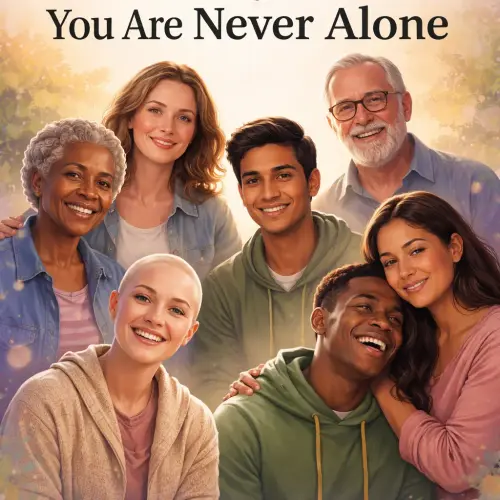
What Real Stories You Are Not Alone Reveal About the Human Heart
I remember the night I sat alone in my car, tears streaming down my face, convinced I was the only person in the world who felt this broken. My chest felt hollow, my mind a storm of self-doubt. I had a good job, loving family, and friends who cared—yet somehow, I felt completely untethered.
It took a late-night scroll through a forum—a desperate search for someone, anyone, who understood—to stumble upon a post that changed everything. A stranger wrote, “I feel like I’m drowning in plain sight.” Those five words hit me like a wave of recognition. I wasn’t alone. I had found a kindred spirit across the digital void.
That moment taught me the power of real stories you are not alone. They are not just anecdotes; they are lifelines thrown across the darkness. Below, seven powerful stories from everyday people remind us that our most private battles are often the most shared.
How Shared Experiences Build Emotional Connection
For years, Maya hid her anxiety behind a smile. She could crush deadlines, host dinner parties, and appear effortlessly put together. But at night, the worry would crawl back. It was only when she confessed her panic attacks to a coworker that she heard, “Me too. Every single day.”
This simple exchange forged an unexpected bond. Maya learned that vulnerability is not weakness—it is the doorway to intimacy. When we share our true selves, we invite others to do the same. The shame that flourishes in silence withers in the light of you are not alone.
The Science Behind Shared Pain
Psychologists call this “universality”—a core therapeutic factor where people realize their experiences are not unique. It reduces isolation, normalizes struggle, and opens the door to healing. Reading real stories you are not alone activates the same neural pathways as living through those experiences ourselves, creating empathy and recognition.
7 Powerful Real Stories of Resilience and Hope
Story 1: The Single Mother Who Learned to Ask for Help
After her divorce, Sarah felt like a failure. She worked two jobs, barely slept, and cried in the shower so her kids wouldn’t hear. One morning, a neighbor knocked on her door with groceries—not out of pity, but because she had been there too. That small act of kindness broke the dam. Sarah started attending a support group for single parents. She found not judgment, but a circle of women who held her up. Today, she leads that same group, reminding every newcomer that they are not alone.
Story 2: The Veteran Who Found Peace in a Community Garden
James came home from deployment with invisible scars. Flashbacks, hypervigilance, and a sense of disconnection from civilian life plagued him. He tried therapy, but it felt clinical. Then he joined a community garden program for veterans. Working the soil alongside others who understood his silence, he found a language beyond words. “The earth doesn’t judge,” James says. “And neither did they.”
Story 3: The Teenager Who Survived Bullying Through Online Friendships
Liam was 14 when school became unbearable. Taunts in the hallway, cruel messages online, and loneliness that felt like a physical weight. He found refuge in an online gaming community. There, his voice mattered not for his appearance, but for his skills and humor. Those virtual friendships gave him the strength to tell his parents, get professional help, and eventually advocate for anti-bullying programs. He often says his online friends saved his life—proof that shared experiences transcend distance. For a related guide, see Deposit Limits: 5 Smart Ways to Protect Your Wallet.
Story 4: The Grieving Widow Who Unexpectedly Found Love
After losing her husband of 40 years, Elena thought her heart was permanently closed. She joined a bereavement group mostly out of obligation. There, she met David, a widower who understood the unique ache of losing a lifetime partner. Their connection was not a replacement for what they lost, but a new chapter built on mutual understanding of loss and the courage to love again.
Story 5: The Entrepreneur Who Failed Forward
Raj’s first startup crashed spectacularly, leaving him in debt and despair. He felt like a fraud. At a networking event, he met a successful businesswoman who shared her own story of three failed ventures before her big hit. “Failure is tuition,” she told him. “You’re not behind; you’re learning.” Raj reframed his setback as a lesson. His second venture succeeded because of the wisdom gained from his first—and because he finally believed he was not the only one who fell before walking.
Story 6: The New Mother Battling Postpartum Depression
Anika had a beautiful baby, a loving husband, and a comfortable home. Yet, she felt nothing but numbness and guilt. She thought being a mother should make her happy, not hollow. Through a New Moms support group, she met other women who confessed similar feelings of disconnection. Their stories normalized her experience and pushed her to seek therapy. “I learned that asking for help is the bravest thing a mother can do,” she says.
Story 7: The Immigrant Who Built a New Home Between Two Cultures
Carlos moved from Mexico to Canada for work. He felt the painful tug of being neither fully here nor there. He missed the flavors of home, the warmth of large family gatherings. A local community center offered a program for newcomers. There, he met people from dozens of countries, each carrying the same ache of displacement. They shared recipes, stories, and eventually, a sense of belonging that was not tied to a single country, but to their collective courage. For a related guide, see 2 Loss Limits: Avoid the Worst Mistake That Drains Your Bankroll.
The Quiet Power of Mental Health Solidarity
There is a profound shift that happens when we stop whispering our pain and start speaking it aloud. Mental health solidarity does not mean everyone has to fix each other. It means bearing witness. It means saying, “I see you. I hear you. I am with you.”
These seven stories are not extraordinary because of their drama, but because of their ordinariness. They happen in living rooms, coffee shops, community centers, and online forums every single day. The key is looking up long enough to recognize the person next to you carries a story, too.
A Simple Checklist for Reaching Out
If you feel isolated right now, try these small steps to connect:
- Write down your feelings: Naming your emotions makes them less overwhelming.
- Tell one trusted person: Start with “I’ve been struggling, and I wanted to share.”
- Join a support group (in-person or online): Shared experiences normalize your pain.
- Read personal essays or books by others: Stories create bridges.
- Volunteer for a cause you care about: Helping others reduces self-focus and builds community.
- Practice daily gratitude: Write down three small things you are thankful for.
Frequently Asked Questions About Real Stories You Are Not Alone
Useful Resources
For more information on the power of shared stories and finding connection, explore these resources:
- NAMI: Your Journey — Personal Stories and Mental Health Support
- The Mighty: A Community for People Facing Health Challenges and Disability
Frequently Asked Questions About real stories you are not alone
What does and quot; you are not alone and quot; really mean?
It means that your struggles, fears, and feelings are shared by many others. You are not uniquely broken or flawed. Millions of people face similar challenges, even if it doesn’t feel that way.
How can reading real stories help my mental health?
Reading others’ stories reduces isolation, normalizes your experience, and can inspire hope. It activates empathy and reminds your brain that you are part of a larger human experience.
Are these real stories from real people?
Yes, the stories shared in this article are based on real experiences, though names and some details may be changed for privacy. They represent common patterns of resilience.
How do I find support groups near me?
Start by asking your doctor, searching online for local mental health organizations, or using platforms like Meetup or the National Alliance on Mental Illness (NAMI) resource finder.
What if I feel like my situation is unique and no one understands?
That feeling of uniqueness is very common. Even if the exact circumstances differ, the underlying emotions—fear, grief, shame, loneliness—are universal. Keep looking; your people are out there.
Can sharing my own story help others?
Absolutely. Your story could be the exact lifeline someone else needs. Vulnerability is contagious in the best way—it gives others permission to open up too.
Is it safe to share personal stories online?
It can be, if you choose trusted platforms and protect your identity. Anonymous forums or private support groups are good starting points. Share only what you feel comfortable with.
How do I start a conversation about my mental health?
Start small. Say, “I’ve been going through a tough time, and I wanted to talk about it.” You don’t need a full script—just honesty and courage.
What is mental health solidarity ?
It is the practice of standing with others in their mental health struggles, not as a fixer, but as a compassionate witness. It affirms that no one should suffer in silence.
How do I stop feeling so alone in my pain?
By taking small steps toward connection. Read a story, send a text, attend a meeting. Each step weakens the isolation and reminds your brain you are part of a shared story.
What age group benefits most from these stories?
All ages benefit. Loneliness and struggle do not discriminate by age. Teens, adults, and seniors all find comfort in knowing others share their emotional landscape.
Can reading stories replace therapy?
No. Stories are powerful complements to professional help, but they should not replace therapy or medical care. If you are in crisis, please contact a professional or emergency service.
How long does it take to feel less alone?
It varies for everyone. Some people feel relief immediately after a single connection. For others, it takes time and repeated exposure to shared experiences. Be patient with yourself.
Are there online communities for people feeling alone?
Yes, many. The Mighty, 7 Cups of Tea, and Reddit’s r/Anxiety and r/depression are just a few. Find a community that feels safe and respectful to you.
What if I don’t believe the stories are real?
Whether the exact details are verbatim or composites, the emotions and patterns they represent are authentic. Focus on the feeling of connection, not the perfection of the narrative.
How can I support a friend who feels alone?
Listen without trying to fix. Simply say, “I’m here with you. You don’t have to go through this alone.” Your presence is more powerful than any advice.
What is the best book about shared human experience?
“The Gifts of Imperfection” by Brené Brown is a wonderful start. It explores how vulnerability and connection are the foundations of belonging.
Can animals help reduce feelings of loneliness?
Absolutely. Pets provide unconditional companionship and routine. Many people find deep emotional connection with animals that eases their sense of isolation.
How do I know if my feelings are normal?
Most emotional responses—sadness, fear, grief, anxiety—are normal parts of being human. If your feelings interfere with daily life for weeks, consider speaking to a professional.
How often should I read these stories?
As often as you need. A daily dose of connection, even through a short story, can reinforce the message that you are not alone. Create a habit that feels nurturing, not obligatory.