

warning signs Key Takeaways
From relationships to finances to personal health, ignoring subtle warning signs can lead to serious consequences.
- Many small, repeated behaviors are early warning signs of bigger problems.
- Knowing how to spot red flags early gives you time to act.
- Actionable checklists and expert tips help you protect what matters most.
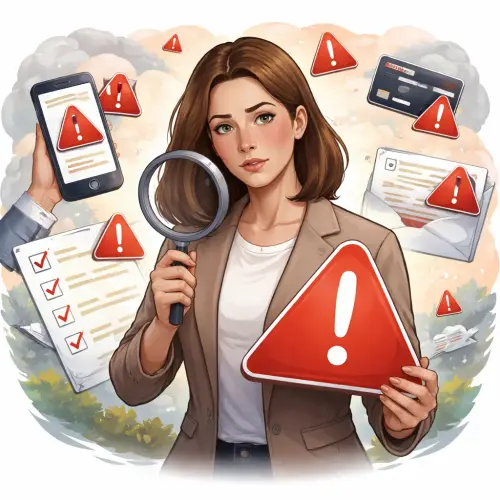
What These Early Warning Signs Mean for Your Life
We all have that quiet inner voice — the one that whispers something feels off. Maybe it’s a friend who’s pulling away, a partner who’s suddenly secretive, or a pattern in your spending that you’d rather not examine. Those whispers are warning signs. The trouble is, we often ignore them until they become shouts.
The ability to recognize early warning signs is like having a superpower. It gives you a chance to choose — to pause, evaluate, and redirect before the situation spirals. The seven indicators below are the most common red flags people overlook across relationships, health, money, and work. For a related guide, see Deposit Limits: 5 Smart Ways to Protect Your Wallet.
How to Spot Red Flags in Relationships
Relationships are deeply emotional, which makes it easy to rationalize uncomfortable behavior. Yet the clearest how to spot red flags advice comes from watching actions, not words.
1. The Sudden Withdrawal
Someone who used to share freely starts giving one-word answers. They avoid eye contact or change the subject when you ask about their day. This shift can signal resentment, guilt, or emotional distance. A real example: Mark noticed his girlfriend stopped telling him about work. Within two months, she had ended the relationship without ever addressing the growing gap. For a related guide, see 2 Loss Limits: Avoid the Worst Mistake That Drains Your Bankroll.
2. Chronic Blame Shifting
If every disagreement ends with you apologizing — even when you weren’t at fault — that’s a warning sign of a toxic dynamic. Healthy partnerships take shared responsibility. Blame shifting erodes trust over time.
3. Broken Promises Become Routine
When someone repeatedly says “I’ll do better” but nothing changes, the pattern is the message. Small broken promises about chores or dates often precede larger betrayals.
Early Warning Signs in Your Finances
Money troubles often sneak up slowly. Catching them early can save you from debt, stress, or even legal issues.
| Warning Sign | What It Looks Like | Action to Take |
|---|---|---|
| Ignoring bank statements | You avoid opening bills or checking your balance. | Set a recurring 15-minute weekly money date. |
| Using credit for everyday needs | Groceries, gas, and utilities go on credit cards you can’t pay off. | Immediately create a bare-bones budget. |
| Borrowing from one card to pay another | You’re juggling payments just to stay afloat. | Call a nonprofit credit counselor this week. |
The Quiet Dangers of Payday Loans and Late Fees
Relying on high-interest debt to cover gaps is a classic early warning sign of a budget that no longer works. Each late fee compounds the problem, making it harder to catch up. According to the Consumer Financial Protection Bureau, people who take out payday loans often stay in debt for months.
Health Red Flags You Might Be Ignoring
Our bodies send warning signs long before a crisis. The challenge is distinguishing minor annoyances from genuine alerts.
Chronic Fatigue Beyond Sleep Deprivation
If you’re sleeping seven to eight hours and still feel exhausted, it’s worth investigating. Persistent tiredness can be an early indicator of thyroid issues, anemia, or sleep apnea.
Unexplained Weight or Appetite Changes
Gaining or losing more than five percent of your body weight in a month without trying is a red flag. Don’t dismiss it as “just stress” without checking with your doctor.
Persistent Gut Discomfort
Bloating, indigestion, or irregular bowel movements that last more than two weeks deserve attention. For example, Sarah ignored stomach pain for six months until a diagnosis of celiac disease forced major dietary changes.
Workplace Red Flags and Burnout Signals
Your career can be a major source of fulfillment — or a slow drain on your mental health. Here are how to spot red flags before you hit full burnout.
Loss of Meaning in Your Daily Tasks
When you used to enjoy projects but now feel nothing but dread, that’s a warning sign. You may be overworked, undervalued, or misaligned with the company’s direction.
Feeling Isolated from Colleagues
If you’re constantly left out of meetings or informal chats, the culture may be silently pushing you out. It’s a subtle but powerful red flag that often precedes layoffs or resignations.
The Sunday Night Sickness
Feeling anxious or physically ill every Sunday evening is a reliable early warning sign of job dissatisfaction. Journalist and author Anne Helen Petersen calls this “erosion of resilience” in her book Can’t Even.
How to Take Action Before It’s Too Late
Spotting the signs is only half the battle. The other half is acting on them. Here’s a simple checklist you can use right now.
- Pause and journal. Write down three things that felt off this week. Look for patterns.
- Talk to one trusted person. A friend, therapist, or mentor can help you see blind spots.
- Set a boundary. Say no to one thing that drains you. Notice how it feels.
- Create a timeline. If the red flag hasn’t resolved in three months, commit to making a change.
- Document everything. In financial or workplace situations, keep records. They protect you later.
Remember: warning signs are not judgments. They are information. The sooner you listen, the more options you have.
Useful Resources
For deeper insights on recognizing relationship red flags, visit Psychology Today’s relationship basics. For personal finance early warning systems, the NerdWallet budgeting tools can help you catch overspending patterns before they become crises.
Frequently Asked Questions About warning signs
What are the most common warning signs in a relationship?
Common signs include emotional withdrawal, frequent blame, broken promises, and lack of respect for boundaries.
How can I spot early warning signs of financial trouble?
Ignoring bank statements, using credit for essentials, and borrowing from one card to pay another are key red flags.
What health symptoms should never be ignored?
Chronic fatigue, unexplained weight changes, and persistent digestive issues should prompt a doctor’s visit.
How do I know if I’m heading toward burnout at work?
Loss of meaning in tasks, feeling isolated, and dreading Sunday evenings are strong indicators.
What should I do if I notice warning signs in a friend?
Approach gently and express concern without judgment. Offer specific support like listening or helping them find resources.
Are early warning signs always accurate?
No single sign is definitive. Patterns matter more — look for repeated behaviors over time before drawing conclusions.
How can I trust my gut feeling about red flags?
Your intuition often picks up on subtle cues your conscious mind misses. Validate it by checking facts and talking to someone neutral.
What is the biggest mistake people make with warning signs?
Minimizing or rationalizing them. “It’s not that bad” keeps people stuck in unhealthy situations longer than necessary.
How do I tell the difference between a bad day and a warning sign?
Frequency and duration matter. A bad day happens occasionally; a warning sign recurs over weeks or months.
Can warning signs change over time?
Yes. What was once a non-issue can become a red flag as circumstances evolve, especially in relationships and health.
What are warning signs of a toxic friendship?
One-sided effort, feeling drained after interactions, and lack of support during tough times are common red flags.
How do I confront someone about their warning signs?
Use “I” statements, stay calm, and focus on specific behaviors rather than character attacks. Example: “I noticed you’ve been quiet. Is everything okay?”
What are warning signs of mental health decline?
Persistent sadness, withdrawal from activities, changes in sleep or appetite, and difficulty concentrating are key indicators.
How can I teach my kids to spot warning signs?
Model checking in with feelings, name emotions openly, and practice asking “How does that make you feel?” in everyday situations.
Are there warning signs in online relationships?
Yes — reluctance to video call, inconsistent stories, requests for money, and pressure to move fast are common red flags.
What should I do if I missed the warning signs?
Forgive yourself and use the experience to sharpen your awareness. Every missed sign is a lesson for next time.
How do warning signs differ between personal and professional life?
Personal signs often involve emotional patterns, while professional ones include performance changes, isolation, and missed deadlines.
What are the warning signs of a scam?
Unsolicited contact, urgency, requests for personal information, and promises of easy money are classic red flags.
Can warning signs be positive?
Absolutely — a warning sign can alert you to an opportunity for growth, a needed boundary, or a health early detection.
Where can I learn more about recognizing red flags?
Books like The Gift of Fear by Gavin de Becker and resources at the National Domestic Violence Hotline offer excellent guidance.