

blackjack Key Takeaways
Blackjack is one of the few casino games where skill can tip the odds in your favor — if you play smart.
- Learn the exact blackjack strategy decisions that reduce the house edge to under 1%.
- Discover why most players lose by ignoring basic rules and how to avoid those traps.
- Get a clear, no-nonsense FAQ covering everything from splitting to surrender.
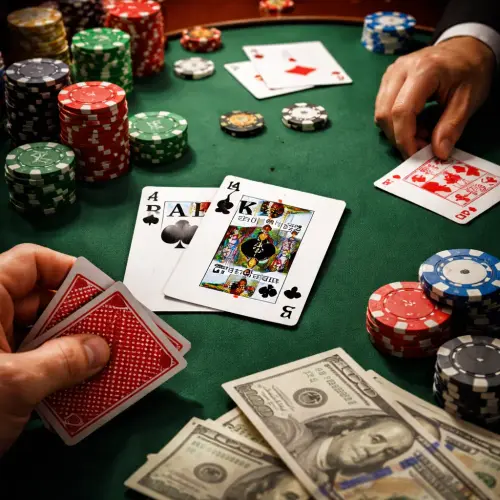
Why Smart Blackjack Playing Starts with Basic Strategy
Many players sit down at a blackjack table with little more than a hope and a prayer. They believe beating the dealer is pure luck — but that’s exactly why they lose. How to beat the dealer begins with understanding basic strategy, a mathematically proven set of decisions for every possible hand you can be dealt. Developed through millions of computer simulations, basic strategy tells you when to hit, stand, double down, split, or surrender based solely on your hand and the dealer’s up-card.
Basic strategy removes guesswork. For example, if you have 16 and the dealer shows a 10, basic strategy says hit — even though it feels risky. If you have a soft 18 (Ace-7) and the dealer shows a 9, basic strategy says hit. These counterintuitive moves are what smart blackjack playing looks like. Without basic strategy, the house edge can climb to 2–3% or higher. With it, the house edge drops to around 0.5% in a standard six-deck game.
Mastering basic strategy is your first step toward consistently how to beat the dealer. The next step is avoiding the mistakes that even experienced players make.
Mistake #1: Playing Without a Blackjack Strategy Chart
The single biggest mistake players make is relying on gut feelings or superstitions. You wouldn’t drive a car without a map, so why play blackjack without a strategy chart? A blackjack strategy chart is a simple grid that shows the correct action for every hand combination. You can print one out or memorize it — either way, it’s the difference between a fun night and a costly lesson.
Consider this real scenario: You hold a pair of 8s and the dealer shows a 10. Many players stand, thinking 16 is too risky to hit. But basic strategy says split those 8s. Splitting 8s against a 10 is a losing position made less bad by splitting. Every deviation from basic strategy costs you money over time. The house edge increases about 0.2% for each basic strategy error you make. If you make five errors per hour, you’ve just given back more than 1% of your edge.
Use a strategy chart until every move becomes automatic. That’s the core of smart blackjack playing.
Mistake #2: Ignoring Table Rules and Deck Penetration
Not all blackjack tables are created equal. Some rule variations can dramatically affect your odds. The most important rule to check is whether the dealer hits or stands on soft 17 (Ace-6). A dealer who hits soft 17 gives the house an extra 0.2% edge. A blackjack that pays 6:5 instead of the standard 3:2 is a deal-breaker — it increases the house edge by about 1.4%, making the game almost unbeatable.
Deck penetration — how deep into the shoe the dealer goes before reshuffling — also matters, especially if you’re counting cards. A game with only 50% penetration makes card counting nearly useless, while 75% penetration or deeper gives you a real chance. Always look for single-deck or double-deck games with favorable rules, and avoid 6:5 blackjack at all costs.
Smart blackjack playing means scanning the table before you sit down. If the rules are poor, walk away and find a better game. The best way to beat the dealer is to choose a table where the dealer doesn’t already have an unfair advantage.
Mistake #3: Mismanaging Your Bankroll
Even with perfect basic strategy, you will experience losing streaks. That’s normal. What separates winners from losers is how they manage their money. Set a strict loss limit before you sit down — never bring more than you can afford to lose. A good rule of thumb is to have 20–40 times the minimum bet in your session bankroll. For a $10 table, that means $200 to $400.
Another common bankroll mistake is chasing losses by doubling your bets. This is called the Martingale system, and it’s a fast way to go broke. If your goal is how to beat the dealer consistently, flat betting or using a small, disciplined bet spread (like 1–4 units) works better than chasing losses. Remember, long-term results in blackjack come from small advantages repeated over thousands of hands, not from one big win.
Treat your bankroll like a business expense. You’re paying for entertainment and a chance to use your skill. If you lose your session bankroll, stop. There’s always another day.
Mistake #4: Drinking While Playing
Free drinks are a casino’s oldest trick. Alcohol impairs your judgment, slows your reaction time, and makes it harder to follow basic strategy. A single drink can turn a disciplined player into someone who stands on 12 against a 7 — a basic strategy error that costs you money. If you want to play smart blackjack playing, keep alcohol for after you’re done playing, not during.
One or two drinks may not seem like a big deal, but even a small BAC affects cognitive function. In a game where each decision has a precise optimal move, you cannot afford to be even slightly impaired. If you see other players making wild decisions after a few drinks, remember that’s exactly what the casino wants. You don’t have to be that player.
Mistake #5: Playing Too Fast or Too Slow
The speed of the game affects your edge. Playing too fast means you’re making more decisions per hour, which increases your theoretical loss over time. Playing too slow can annoy other players and the dealer, but more importantly, it can make you lose focus. Find a comfortable pace — about 60 to 80 hands per hour in a six-deck shoe game is normal.
Pacing also matters when counting cards. If you’re trying to keep a running count, rushing through hands leads to errors. Take your time, but don’t drag the game. A smooth, steady pace is part of smart blackjack playing. It keeps you relaxed, accurate, and less likely to make costly mistakes. For a related guide, see 5 Cooling-Off Mistakes to Avoid for a Drama-Free Break.
Mistake #6: Overcomplicating Card Counting
Card counting is an effective way to beat the dealer, but many players overcomplicate it. You don’t need a PhD in probability. The Hi-Lo count — where you assign +1 to low cards (2–6), 0 to neutral cards (7–9), and -1 to high cards (10–Ace) — is simple and powerful. Practice counting down a single deck at home until you can do it in under 25 seconds without errors. For a related guide, see 4 Reality Checks – The Pop-Up That Saves Your Budget.
The real challenge isn’t counting — it’s using the count to adjust your bets and strategy. When the count is high, increase your bet and deviate from basic strategy (e.g., taking insurance). When the count is low, bet the minimum and stick to basic strategy. Start with a bet spread of 1–4 units; for example, bet $10 when the count is negative, and bet $40 when it’s high. This alone can give you a 1–2% edge over the house.
Remember, casinos frown on card counters. Practice enough that your counting looks natural. How to beat the dealer with card counting takes dedication, but it can be done without being obvious — if you keep it simple.
Mistake #7: Letting Emotions Take Over
Blackjack is a mental game. After a big loss, some players get angry and start making wild bets. After a big win, others get overconfident and abandon basic strategy. Both reactions are dangerous. The best players stay emotionally neutral — they treat every hand independently.
If you lose three hands in a row, don’t double your bet to win it back. If you win five hands in a row, don’t feel invincible. Smart blackjack playing is about executing your plan regardless of short-term results. Keep a poker face, stick to your strategy, and walk away after you hit your loss or win limit. Discipline is the ultimate secret to consistently beat the dealer.
Useful Resources
For a deeper dive into blackjack strategy, check out the Wizard of Odds Blackjack Strategy Calculator, which lets you generate a perfect strategy chart for any rule set.
To learn more about card counting fundamentals, visit Blackjack Apprenticeship’s free card counting training — they offer drills and a community for serious players.
Frequently Asked Questions About blackjack
Is blackjack a game of skill or luck?
Blackjack is a combination of both, but skill plays a larger role than in almost any other casino game. Using basic strategy and proper bet sizing, a skilled player can reduce the house edge to less than 0.5%.
What is the best blackjack strategy for beginners?
The best strategy for beginners is to memorize a basic strategy chart. Print one out and use it at the table. It tells you the optimal move for every hand based on the dealer’s up-card.
Can you beat the dealer by counting cards?
Yes, card counting gives you a mathematical edge of about 0.5% to 1.5% over the house, depending on your skill and the game’s rules. However, it requires practice and discipline.
Should I take insurance in blackjack ?
Only take insurance if you are counting cards and the count is high. For basic strategy players, insurance is a bad bet because the odds of the dealer having a blackjack are less than 1 in 3, but insurance pays only 2:1.
What does it mean when the dealer hits soft 17?
A soft 17 is an Ace and a 6. If the dealer hits on soft 17, it gives the house an extra 0.2% edge. Always check this rule before playing.
Is it better to play single-deck or multi-deck blackjack ?
Single-deck blackjack usually offers better odds for players, but only if the rules are favorable (e.g., blackjack pays 3:2, dealer stands on soft 17). Many single-deck games today pay only 6:5, which is terrible.
What is a soft hand in blackjack ?
A soft hand is any hand that contains an Ace counted as 11. For example, Ace-6 is a soft 17. Soft hands are flexible because they can’t bust if you hit.
When should I split 8s in blackjack ?
Always split 8s, regardless of the dealer’s up-card. A pair of 8s is 16, the worst hand in blackjack. Splitting turns one bad hand into two potentially better hands.
Should I always double down on 11?
Yes, if the dealer shows any card except an Ace, double down on 11. Against an Ace, it’s better to hit because the dealer might have a blackjack.
What does surrender mean in blackjack ?
Surrender is a rule that allows you to give up your hand and lose only half your bet. It is a good option when you have 16 against a dealer’s 10, or 15 against a 10, if surrender is offered.
Can you win long-term at blackjack ?
Yes, a skilled player using basic strategy and card counting can win long-term. However, variance is high, and you can experience long losing streaks. Long-term success requires discipline and a solid bankroll.
What bet spread is best for card counting?
A 1–4 bet spread (e.g., $10 at low counts, $40 at high counts) is a good starting point. Larger spreads increase your edge but also attract casino attention.
Is online blackjack fair?
Reputable online casinos use certified random number generators (RNGs) to ensure fair play. Look for sites licensed by authorities like the UK Gambling Commission or Malta Gaming Authority.
How do I avoid looking like a card counter?
Act like a normal player. Make small talk with the dealer, bet erratically sometimes, and don’t stare at the discard tray. Vary your bet sizes naturally, not abruptly.
What is the worst hand in blackjack ?
The worst hand is 16 against a dealer’s 10. You have a high chance of busting if you hit, but standing is also usually a loser. The correct basic strategy is to hit, even though it feels painful.
Should I tip the dealer in blackjack ?
Tipping is not required, but it is common etiquette. Many players place a small bet for the dealer when they are winning. Do not tip if it hurts your bankroll.
Can you count cards with automatic shuffling machines?
Continuous shuffling machines (CSMs) make card counting impossible because the decks are constantly reshuffled. Avoid tables with CSMs if you plan to count.
What does and quot;penetration and quot; mean in blackjack ?
Penetration refers to how far into the shoe the dealer deals before reshuffling. Deep penetration (75% or more) is better for card counters because it gives you more information about the remaining cards.
Do side bets like Perfect Pairs increase the house edge?
Yes, almost all side bets in blackjack have a much higher house edge than the main game (often 10–15% or more). Avoid them if you want to play smart.
What is the best way to practice blackjack strategy ?
Use free online blackjack games that let you play without risking real money. Practice with a strategy chart until every move is automatic. Then move to low-stakes live games.