

how to talk to a friend with a gambling problem Key Takeaways
Having a conversation with a friend about their gambling can feel awkward and scary, but your concern might be exactly what they need to hear.
- Recognize the warning signs of a gambling addiction before starting the talk.
- Use a calm, non-judgmental, step-by-step approach to how to talk to a gambler effectively.
- Prepare specific phrases and know where to find support for helping a friend with gambling problem .
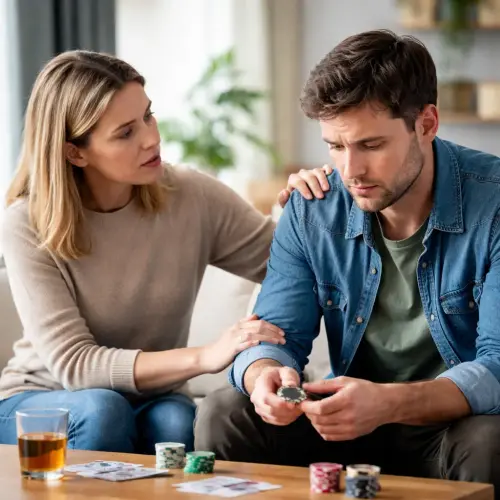
Understanding the Signs of a Gambling Problem
Before you say a word, take some time to notice what’s been going on. Gambling addiction doesn’t always look obvious. Your friend might seem fine on the outside but be struggling a lot privately.
Common Changes to Look For
Maybe they’ve been borrowing money more often or seem stressed about finances even though they have a good job. They might cancel plans at the last minute or be secretive about where they’ve been. Some people with a gambling problem become irritable or withdrawn, especially when asked about their weekend or their phone. For a related guide, see 5 Common Online Gambling Myths Debunked: Avoid These Costly Mistakes.
Why Spotting It Early Matters
Catching these signs early makes it easier to have a gentle conversation. If you wait until things get really bad, your friend might feel more defensive or ashamed. The goal isn’t to catch them red-handed — it’s to show you care.
How to Prepare for the Conversation
You can’t just wing this kind of talk. A little prep can make the difference between your friend shutting down and actually listening.
Choose the Right Time and Place
Pick a private, quiet moment when you both have time. Avoid bringing it up right after a loss or when they’re stressed. A calm Sunday afternoon walk or a quiet coffee shop works better than a crowded party or a late-night text.
Get Your Own Emotions in Check
You might feel angry, sad, or frustrated. That’s normal. But if you go into the conversation with those feelings loud and clear, your friend will probably get defensive. Take a breath, remind yourself that this is about helping a friend with gambling problem, and aim for a tone that’s more concerned than disappointed.
Step-by-Step Approach to Talking to a Gambler
Here’s the practical stuff — what to actually say and do during the talk. Follow these steps and you’ll stay on track even if the conversation gets emotional.
Step 1: Start with Care, Not Accusation
Open the conversation by expressing your friendship and concern. Something like: “Hey, I’ve noticed you’ve seemed a bit off lately, and I just want to check in because I care about you.” Avoid leading with “I know you have a gambling problem.” Let them talk first.
Step 2: Share What You’ve Noticed
Use specific but gentle examples. Say “I noticed you’ve been stressed about money recently” instead of “You’re always broke because you gamble.” Stick to what you’ve observed, not what you assume. This is a core part of how to talk to a friend with a gambling problem without triggering shame.
Step 3: Listen More Than You Talk
Your friend might have a lot of feelings. Let them speak. Don’t interrupt to offer solutions right away. Just nod, say “I hear you,” and let them get it out. Sometimes people just need to feel heard before they’re ready to change.
Step 4: Offer Support, Not Ultimatums
Instead of saying “You need to stop or I’m done,” try “I’m here for you, and I think getting some help could make things easier.” Offer to go with them to a support group or help them look up resources. That’s real helping a friend with gambling problem. For a related guide, see 7 Smart Small Steps for Effective Gambling Harm Reduction.
Step 5: Be Patient and Follow Up
One conversation probably won’t fix everything. Check in again in a few days. Ask how they’re doing. If they get help, celebrate that. If they don’t, don’t give up — just keep showing up. How to talk to a gambler includes knowing when to bring it up again gently.
Phrases to Use and Phrases to Avoid
Your words matter a lot. Here’s a quick table to help you choose wisely.
| What to Say | What Not to Say |
|---|---|
| “I’m worried about you because I care.” | “You have a serious problem.” |
| “Can you tell me how you’re feeling?” | “You need to stop gambling immediately.” |
| “I’d love to help you find some support.” | “You’re wasting all your money.” |
| “You’re not alone in this.” | “You’re being selfish.” |
| “Let’s figure this out together.” | “If you don’t stop, I’m cutting you off.” |
Resources for Your Friend (and for You)
Knowing where to send someone for help is part of helping a friend with gambling problem. Here are trusted starting points. For a related guide, see Get Help: 7 Smart Nudges for Better Mental Health.
National Problem Gambling Helpline
The National Council on Problem Gambling offers a confidential helpline at 1-800-522-4700. They also have text and chat options. This is a free, non-judgmental place to start.
Gamblers Anonymous
Gamblers Anonymous runs local and online meetings where people share their experiences and support each other. It’s free and open to anyone. Your friend can just listen at first if they’re nervous.
Support for Family and Friends
Don’t forget yourself. Organizations like Gam-Anon offer meetings for people who care about someone with a gambling problem. Taking care of your own mental health is a huge part of being able to help effectively.
Self-Care Tips for the Helper
If you’re reading this, you probably care a lot. That’s great, but it can also be draining. Here’s how to keep yourself healthy while helping a friend with gambling problem.
Set Boundaries You Can Live With
You can offer emotional support without lending money or covering bills. It’s okay to say “I can’t do that, but I can help you find someone who can.” Setting limits protects you both.
Don’t Carry the Whole Weight
Your friend’s recovery isn’t your responsibility. You can be a great friend without being their therapist or financial advisor. Encourage them to work with professionals and groups — that’s their job, not yours.
Talk to Someone Yourself
Find a friend, a therapist, or a support group where you can vent and process your own feelings. Holding everything in will burn you out. It’s okay to say “This is hard for me too.”
Useful Resources
Here are two trusted places to learn more about gambling addiction and how to help someone you care about.
- National Council on Problem Gambling — Help and Treatment — Official helpline and resource directory.
- Gamblers Anonymous — Find local and online meetings worldwide.
Frequently Asked Questions About how to talk to a friend with a gambling problem
How do I start a conversation with a friend about their gambling?
Start with a caring statement like “I’ve noticed you’ve seemed stressed lately, and I’m here if you want to talk.” Keep it gentle and non-accusatory.
What if my friend denies having a problem?
That’s very common. Don’t push too hard. Simply say “I understand, and I’m here if you ever change your mind.” Leave the door open for future conversations.
Should I tell their family about the gambling?
It depends on how serious the situation is. Encourage your friend to tell family themselves, but if there’s immediate danger (like financial ruin), you may need to involve a trusted person.
Can gambling addiction be cured?
There’s no cure, but it’s highly treatable. Many people recover with therapy, support groups, and lifestyle changes.
What are the warning signs of a gambling problem?
Common signs include borrowing money, lying about whereabouts, irritability when not gambling, and neglecting responsibilities.
How long should I wait before talking to them again?
A few days to a week is usually good. Give them time to process the first conversation without feeling pressured.
What if they get angry at me for bringing it up?
Stay calm. Say “I’m sorry this upset you. I care about you, and I’m not trying to attack you.” Then give them space.
Is it okay to lend them money to help?
It’s usually not a good idea. It can enable the gambling and put strain on your relationship. Offer non-financial support instead.
What kind of professional help is available?
Therapists who specialize in addiction, gambling helplines, and support groups like Gamblers Anonymous are all great options.
Can online gambling be just as addictive as in-person?
Yes, online gambling can be even more accessible and fast-paced, making it highly addictive.
How do I know if it’s just a hobby or an addiction?
If gambling is causing financial problems, emotional distress, or conflict in relationships, it’s moved beyond a hobby.
What should I do if my friend refuses to get help?
You can’t force them. Continue being a supportive friend, set your own boundaries, and let them know help is available when they’re ready.
Are there medications for gambling addiction ?
There are no FDA-approved medications specifically for gambling disorder, but some antidepressants or mood stabilizers may help with related impulse control.
How can I be supportive without enabling?
You can listen, encourage professional help, and spend time doing non-gambling activities together. Avoid covering debts or making excuses for their behavior.
What’s the difference between problem gambling and gambling addiction ?
Problem gambling refers to any gambling behavior that causes harm, while gambling addiction is a more severe, diagnosable condition with loss of control.
Can someone recover from gambling addiction without treatment?
Some people do quit on their own, but many need professional support. Treatment significantly increases the chances of long-term success.
How do I talk to a friend who is in denial?
Use “I” statements like “I feel worried when I see you struggling financially.” Avoid arguing and keep the focus on your concern.
Should I accompany them to a support group?
If they ask you to, yes. Your presence can be reassuring. Many groups welcome family and friends for certain meetings.
What if I feel guilty for not noticing sooner?
It’s normal to feel that way, but don’t dwell on it. You’re taking action now, and that’s what matters most.
How can I protect my own mental health while helping them?
Set clear boundaries, talk to a therapist or support group, and remind yourself that their recovery is their responsibility.